Construction Law
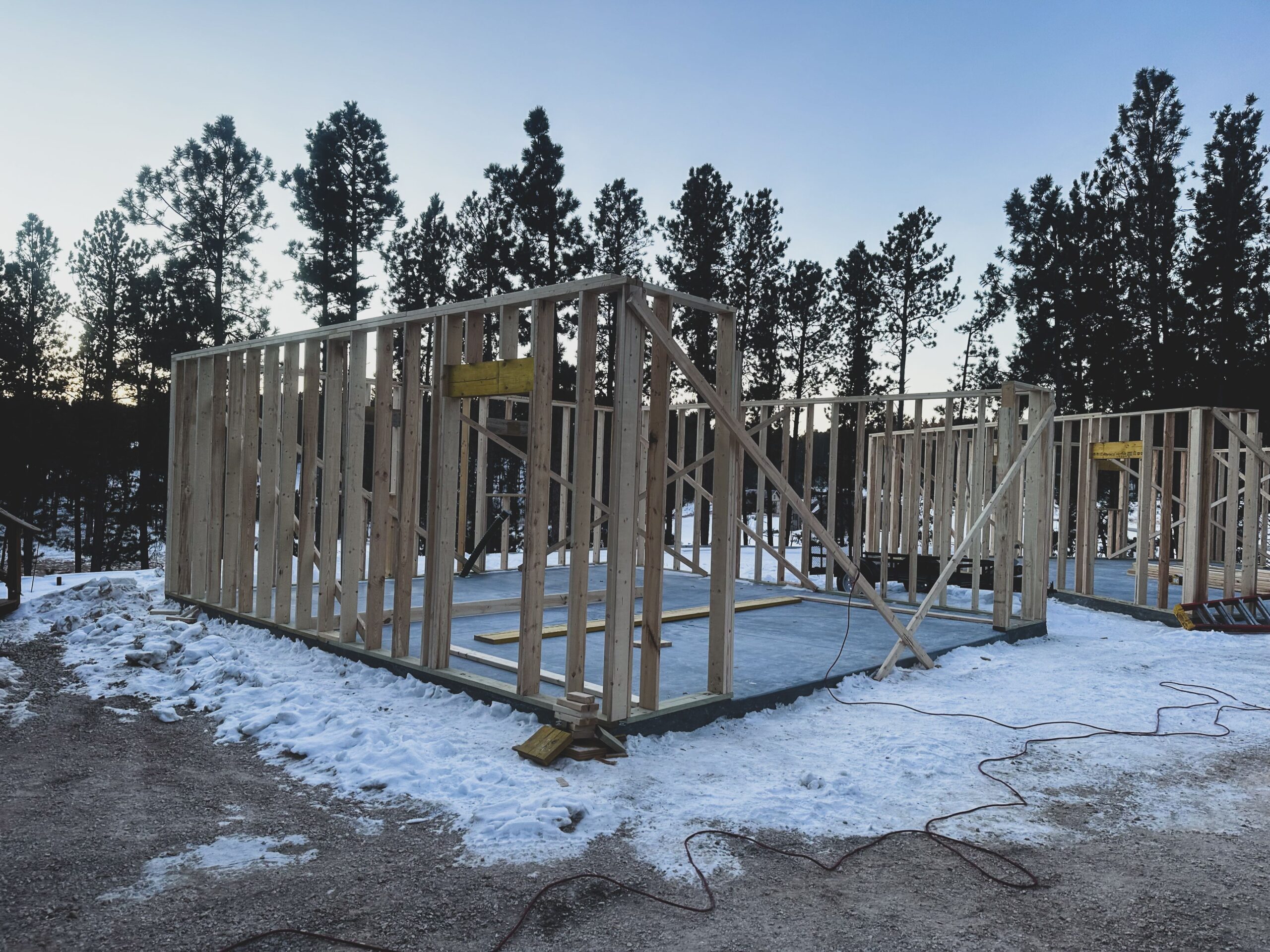
Construction disputes are decided by documents and dates. The contract, the change orders, the daily reports, and a set of deadlines that expire whether or not anyone is watching them.
Zamzam Law represents owners, general contractors, subcontractors, suppliers and developers in construction matters across Michigan. That includes the contracts written before a project starts and the claims that follow when one goes wrong.
Construction is unusual among commercial disputes because the industry runs on credit and on trust. Work is performed before it is paid for, decisions are made verbally on site and papered later if at all, and money moves down a chain where each party depends on the one above. When something breaks, the disagreement is rarely between two parties. It is between an owner, a general contractor, several trades, a designer and a supplier, all of whom have a different account of what happened.
Michigan adds two features that shape almost every matter. The Construction Lien Act gives anyone who improves real property a claim against the property itself, subject to deadlines that are strict and unforgiving. And the state treats construction funds as trust money, which means misapplying them can reach the individuals who directed the payments rather than only the company.
The firm brings a working background in residential construction and development to this practice. Knowing how a schedule of values is actually built, what a change order looks like in the field, and what a builder leaves out of a contract decides which questions get asked first.
Matters that fall outside this practice, or outside Michigan, are referred to counsel who can take them.
Matters handled
If your situation appears below, it is work the firm does. If it is close but not listed, it is still worth the call.
How a matter runs
Every file follows the same four steps. You will know where yours stands at each one.
- Deadlines and conflictsThe project, the parties, and any lien or filing date already running. Deadlines are identified before anything else because they cannot be recovered.
- The project recordContract, change orders, payment applications, sworn statements, waivers, schedules and correspondence. These cases are decided on documents.
- Position and optionsWhere the claim is strong, what each route costs, and whether the other side can actually pay a judgment.
- Demand, lien or filingMost matters resolve on a documented demand. Where they do not, claims are filed together rather than in sequence.
Common questions
How quickly do I need to act?
Faster than in most disputes. Lien rights expire on a fixed schedule measured from the last day work was actually furnished, and they cannot be revived once gone. If you are anywhere near that date, call rather than using the form.
Do you act for owners or for contractors?
Both, though never for both on the same project. Understanding how the other side builds its position is part of what makes representation on either side effective.
The other side has already recorded a lien on my property. What now?
A lien can be challenged where the notice requirements were not met, where it was recorded late, or where the amount is not supportable. If a closing or refinance is pending, it may also be possible to bond around it so the transaction can proceed while the dispute continues.
What does it cost?
[FEE STRUCTURE]. Scope and fees are agreed in writing before work begins, and you will hear early if a claim is not worth what it will cost to pursue.
What should I bring to the first conversation?
The contract and any amendments, change orders, payment applications and what was actually paid, sworn statements and waivers, photographs of the work, and the date work last occurred on site.
Lien deadlines run whether or not anyone is watching them.
[PHONE]Matters with a lien deadline, a filing deadline or a hearing already on the calendar are handled by phone.